
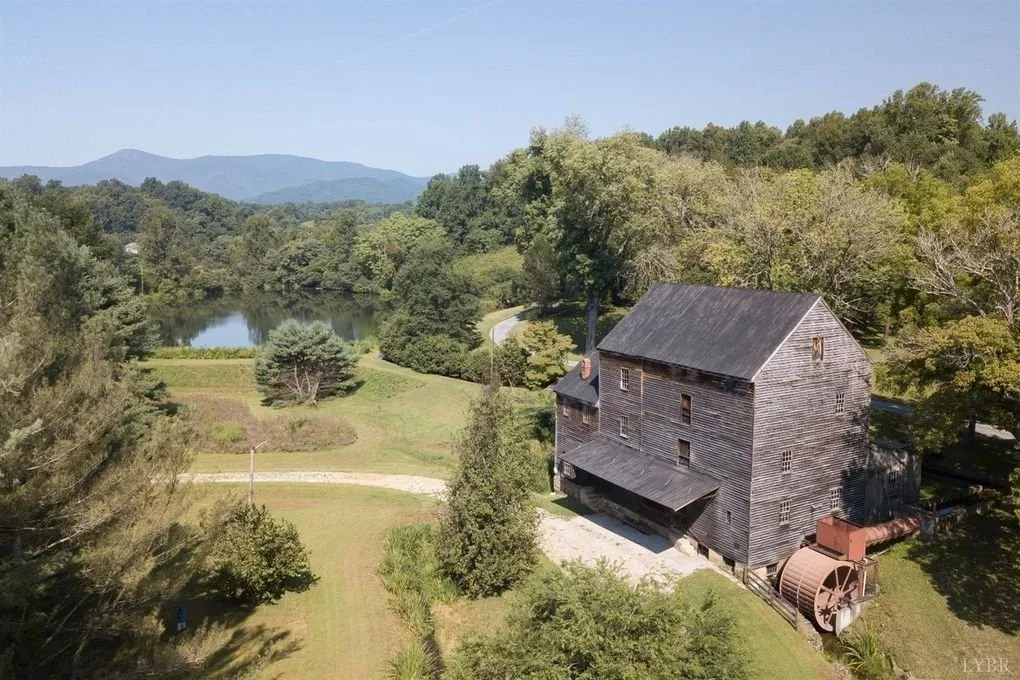
The Mill’s Timeline
1794
Mill built by dairy farmer Guiliford Campbell using water diverted from the Piney River. Original footprint of the mill, which currently houses the stone wheels, was 32’ x 32’.
1834
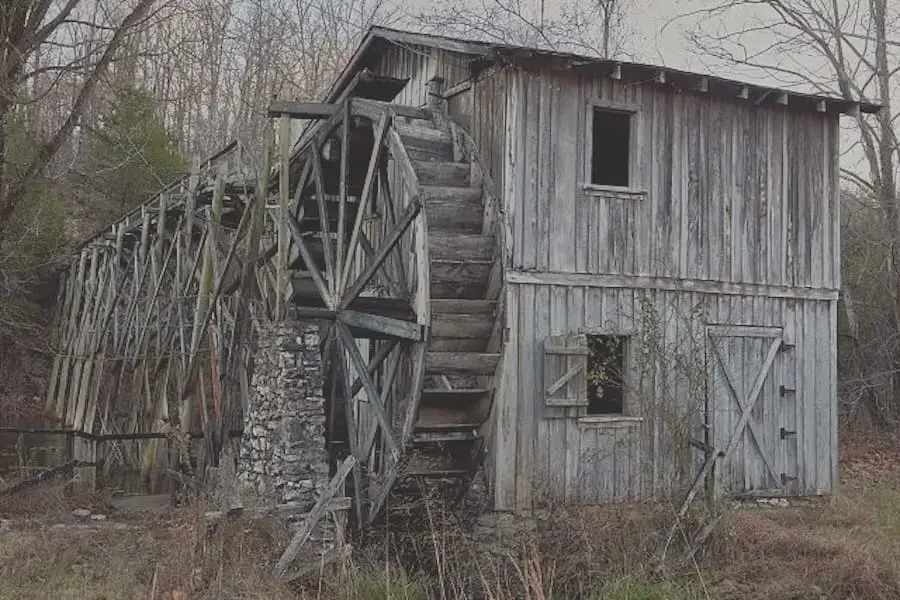
Descendants of Campbell sell the mill to Joseph Fulcher for $1500. During Fulcher’s ownership, the building was extended to the west by 14 feet. Other upgrades include the installation of bucket grain/flour elevator shafts that extend from ground level to the fourth floor, a distance of approximately 60 feet. The elevators are part of the revolutionary grain processing system developed by Delaware inventor Oliver Evans. Powered completely by the waterwheel, this labor-saving system used the vertical conveyor to move the grain and flour through several floors for cleaning, sifting, and cooling.
1863 – 1900
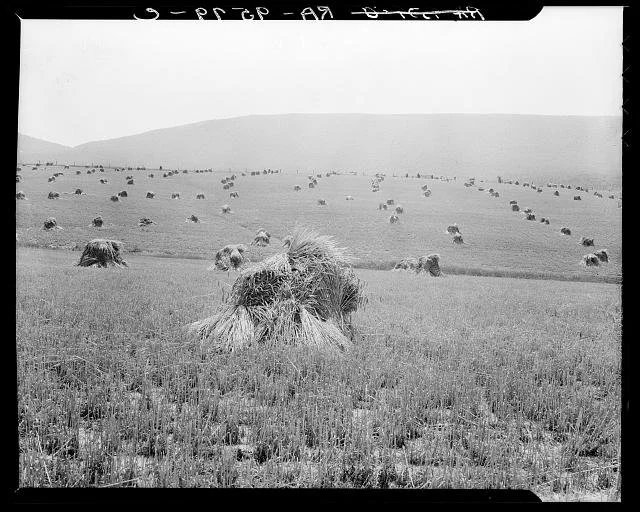
The mill passes through several owners: Nathan C. Taliaferro, Edward & Lucy Pettit, and Samuel Griggs.
1900
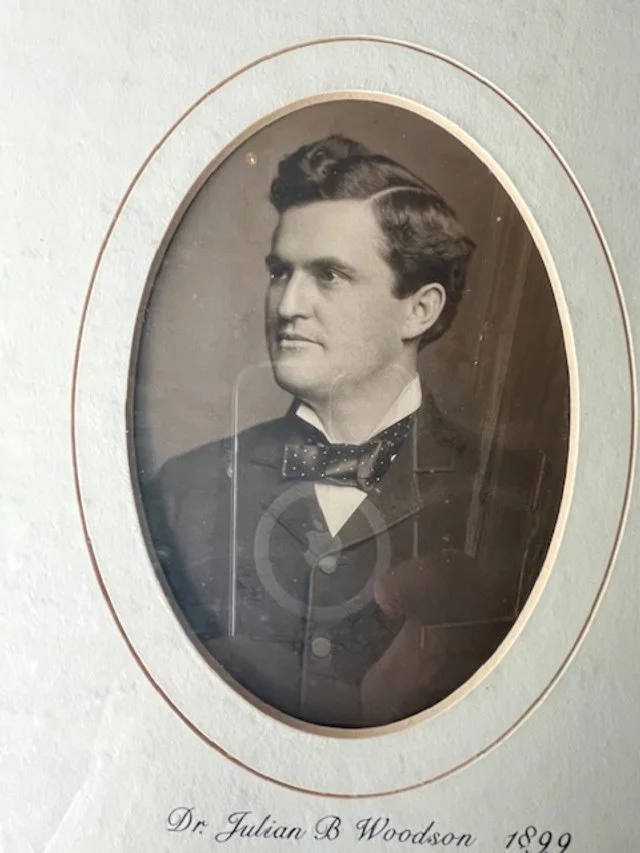
Dr. Julian B. Woodson, the son of a Lowesville store owner, purchased what was then called the Piney River Mill for $2,100. It later becomes known as Woodson’s Mill.
Ed Willis, the son of a formerly enslaved Nelson County man, was hired by Dr. Woodson to repay a debt. Willis served as head miller for the remainder of his life. Harrison Campbell, a friend of Willis’s, helps him manage the farm.
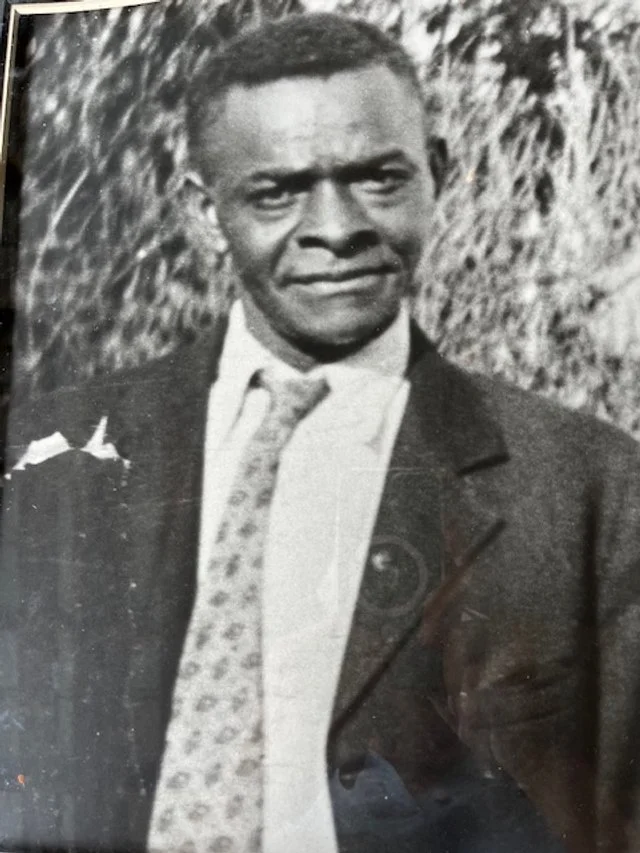
Ed Willis
1929
Dr. Woodson builds an Arts & Crafts style bungalow for his family on the hill behind the mill. Expanding his business activities, he stewards a 3000-tree apple orchard named Indianola, and installs a cider press (also used to produce whiskey during Prohibition). His 650-acre farm has a machine shop, a foundry, a saw mill, and an ice plant. His mill office receives patients for his medical and dental practice. The mill also serves as a polling place.
Woodson added a roller mill system for processing white flour, which is finer and more in demand than the product ground by the millstones. A nearby railroad line allows him to market his products beyond Nelson County.
Dr. Woodson served in the Virginia Senate from 1920 to 1940, representing Nelson County, and was also superintendent of the Piedmont Sanitarium, a segregated facility for Black tuberculosis patients in Burkesville.
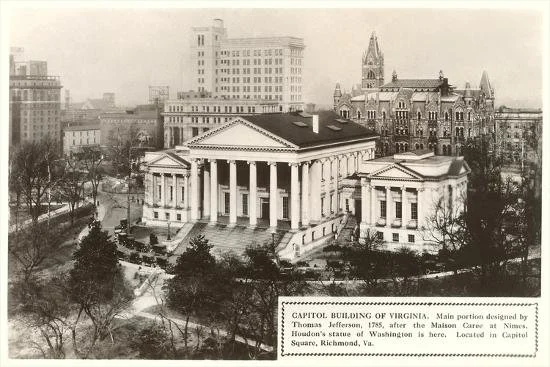
1957
The mill closes. After Woodson’s death in 1963, Huron Campbell purchases the mill; he doesn’t operate it, but does save the machinery and equipment.
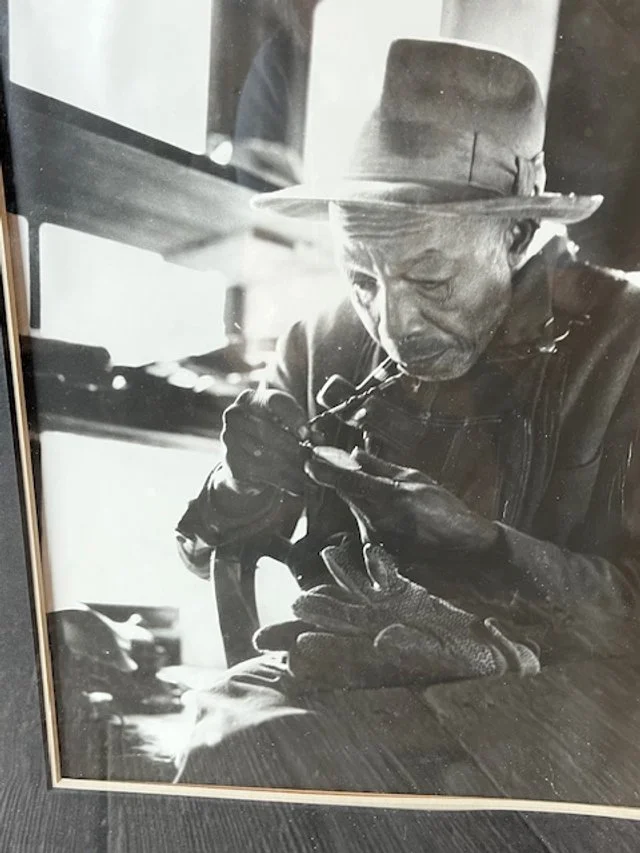
Harrison Campbell
1959
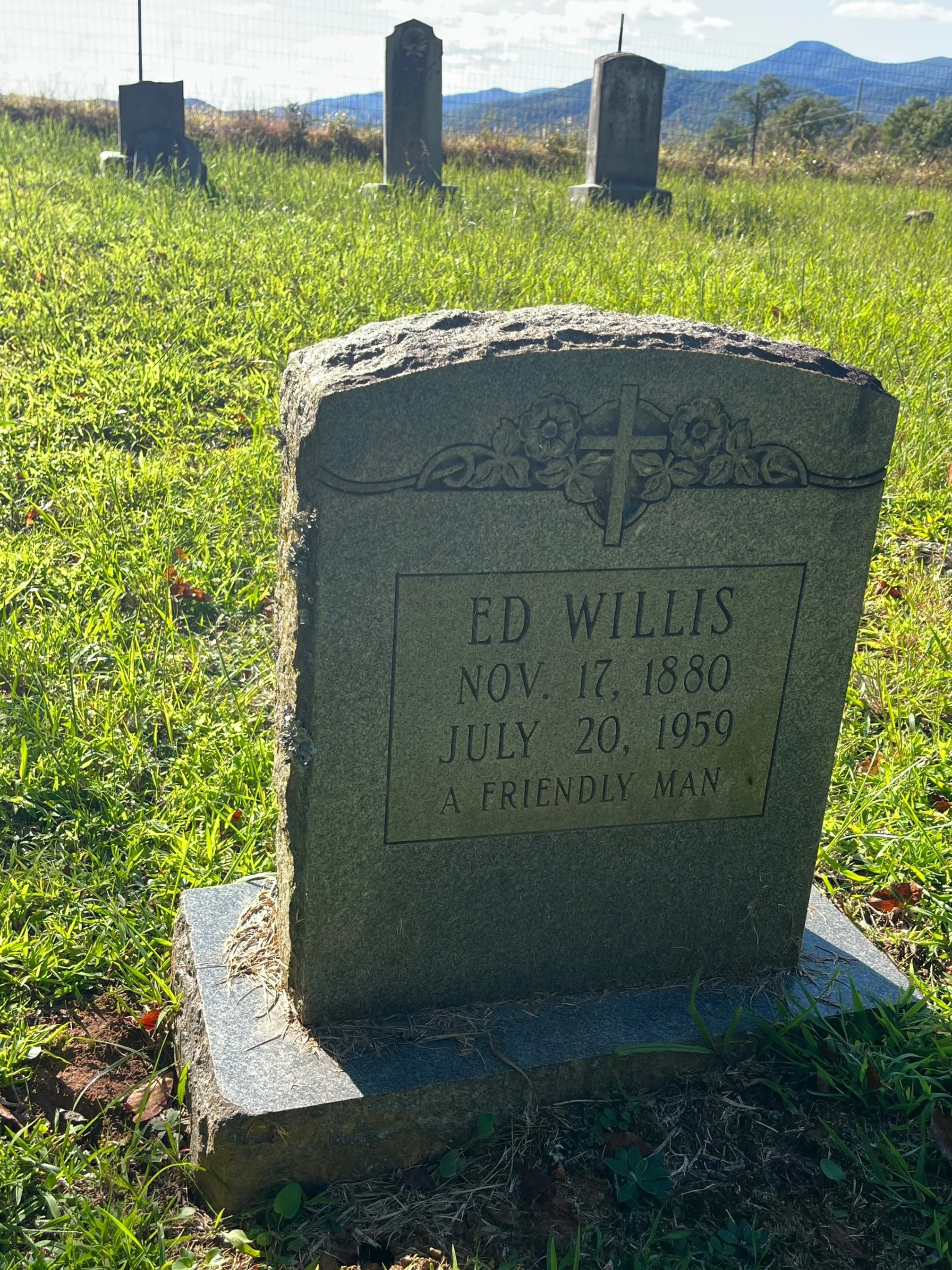
Longtime miller Ed Willis dies; buried at family cemetery just over Amherst County border.
1983
Norfolk businessman J. Gill Brockenbrough Jr. purchases Dr. Woodson’s home as a country retreat, and begins restoration of the mill. Steve Roberts is hired as head miller. In 1986, the mill begins operation again and sales last until 2001.
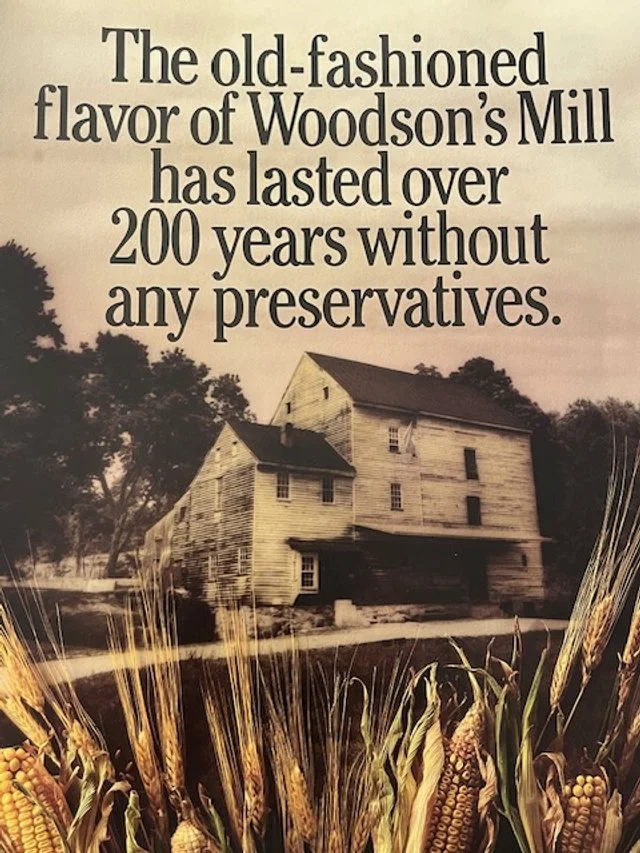
1992
Woodson’s Mill is added to the National Register of Historic Places.
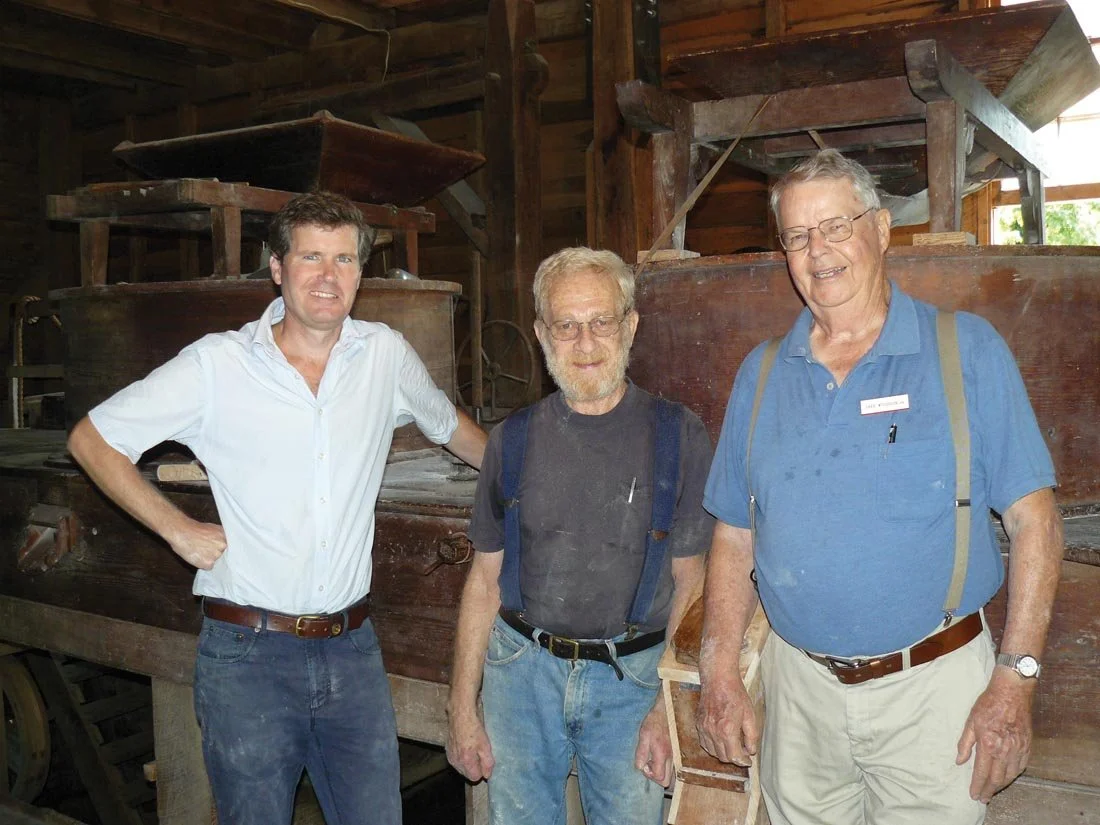
(l-r) Will Brockenbrough, Steve Roberts, David Woodson
2012
Gil Brockenbrough’s son, Will, takes ownership of the mill. Operations resume, with products marketed to meet the new demand for stone ground products.
2020
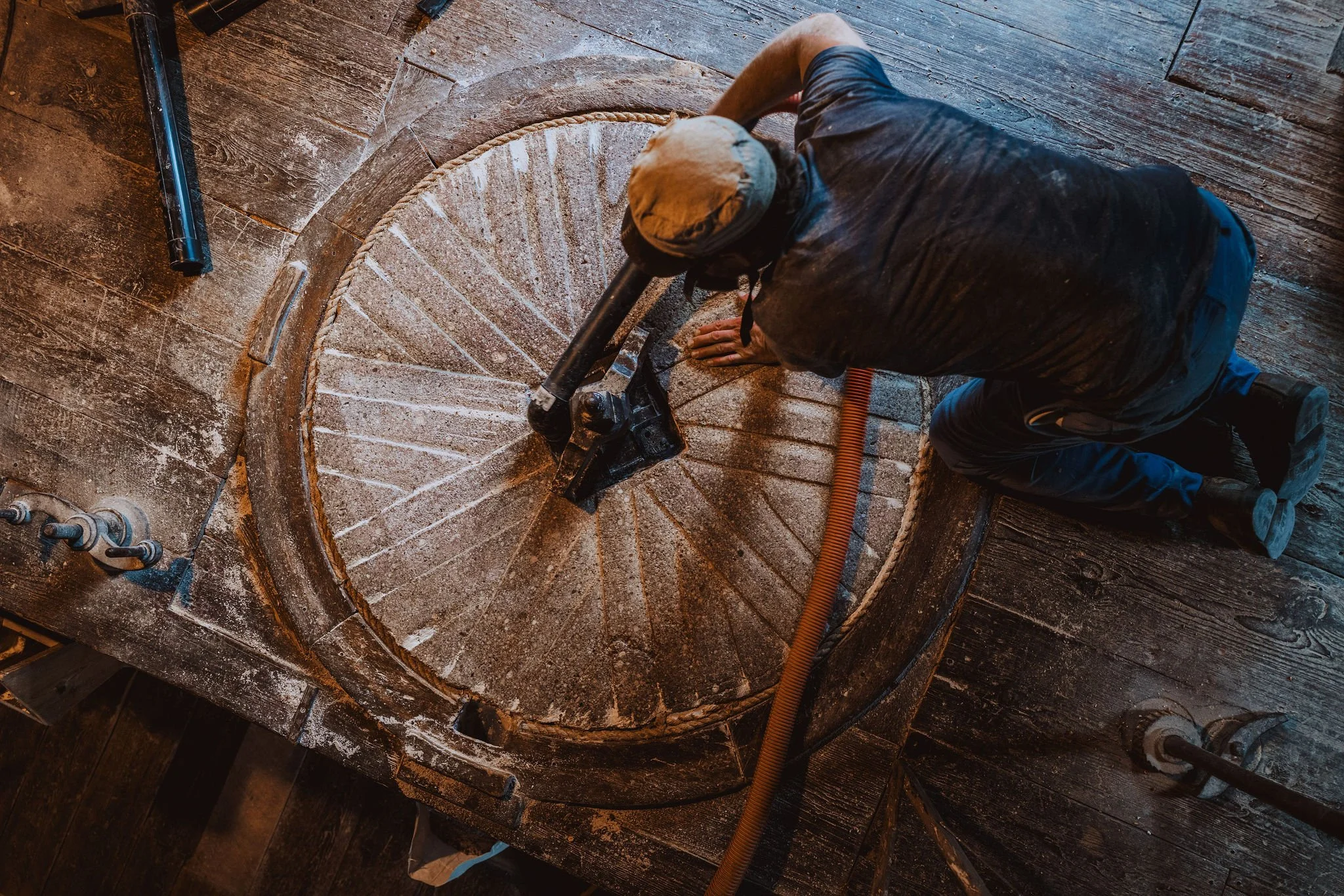
Deep Roots Milling begins operations at the mill. David Woodson, Dr. Woodson’s grandson, brings his expertise to assist the company.
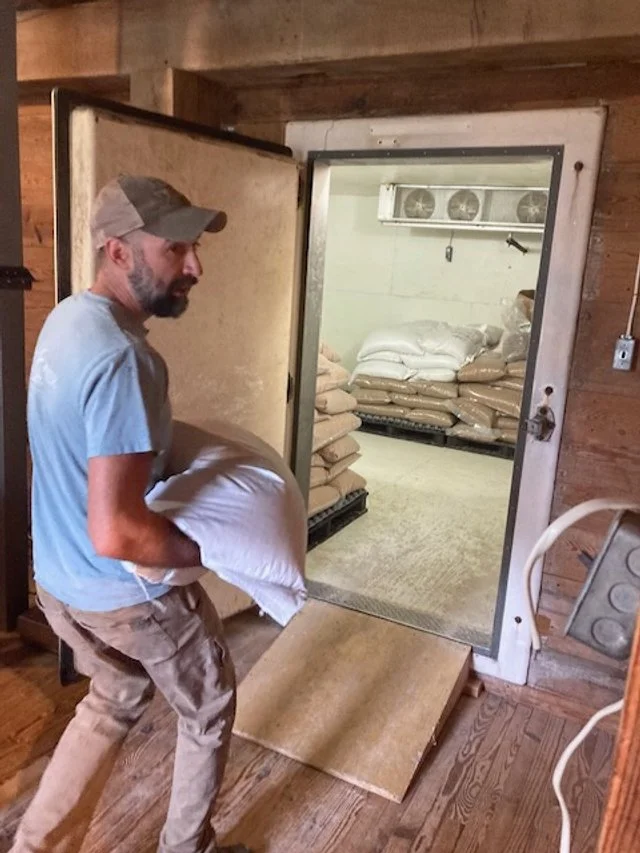
2021
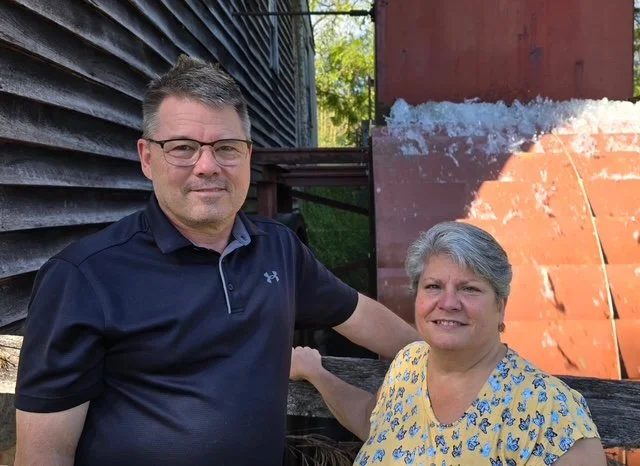
Bill and Cookie Chinworth purchase mill.
If you'd like to contribute or donate to The Friends of Woodson's Mill, get in touch.
Photo credit: justinidephotography.com